Engine brakes, including Jake brakes and exhaust brakes, represent a significant advancement in vehicle safety and maintenance. Unlike traditional friction brakes, which rely on physical contact to slow vehicles down, engine brakes harness the engine's power. This method dramatically reduces the wear and tear on brake systems, ensuring longer life spans and fewer maintenance issues. Jake brakes, for instance, utilize the engine's compression mechanism to slow down the vehicle by releasing compressed gas through the exhaust valves, creating a retarding force without the need for the brake pads to contact the drum or disc.
The benefits of engine brakes extend beyond reduced wear and tear; they also play a crucial role in maintaining control and stability, especially during long descents where traditional brakes might overheat and fail. This braking method not only ensures the safety of the vehicle and its cargo but also protects other road users by preventing accidents caused by brake failure.
Trailer brakes, on the other hand, are essential for maintaining control and stability, particularly under heavy loads or during steep descents. These brakes work independently of the truck's main braking system, allowing for precise control of the trailer's speed and alignment. This independent system is crucial for preventing jackknifing and ensuring the trailer follows the cab smoothly and safely, irrespective of road conditions or inclines.
The operation of trailer brakes, whether through air systems or electronic controls, is designed to complement the truck's braking, providing a balanced and controlled deceleration. This harmony between the truck and trailer braking systems is vital for safe and efficient transport, especially when navigating challenging terrains.
The integration of engine and trailer brakes plays a pivotal role in enhancing the safety and efficiency of freight transport. By preventing brake fade and overheating, these systems ensure vehicles can maintain control in various driving conditions, reducing the risk of accidents and improving overall road safety. Furthermore, the efficiency of these braking systems contributes to reduced fuel consumption and lower operational costs, showcasing the dual benefits of advanced braking technology.
The freight transport industry continues to benefit from technological advancements in braking systems, such as air disc brakes and automatic slack adjusters. These innovations offer improved stopping power, reduced maintenance needs, and enhanced safety features, marking a significant step forward in vehicle operation and reliability.
Understanding the differences between engine brakes and trailer brakes is more than a technical exercise; it's a commitment to safety and efficiency in the freight transport industry. Star Freight Services encourages all involved in the sector, from drivers to fleet managers, to explore the benefits of these systems and consider the latest advancements when upgrading their fleets.
Trailer tire wear is an inevitable aspect of hauling, but understanding its causes and implementing effective solutions can significantly extend tire life and enhance road safety. Star Freight Services in Sparks is committed to helping trailer owners, truck drivers, and fleet managers navigate the complexities of tire maintenance to ensure their operations are both safe and efficient. This article delves into the primary causes of trailer tire wear and offers actionable advice for mitigating these issues.
Routine maintenance is the first line of defense against premature trailer tire wear. Regular tire pressure checks ensure tires are inflated according to manufacturer recommendations, preventing the excessive heat buildup and irregular wear associated with underinflation or overinflation. Similarly, periodic wheel alignments can correct any misalignment issues, thereby avoiding uneven wear patterns. It's also crucial to consider how driving habits, such as aggressive acceleration or braking, can affect tire longevity. By adopting a more mindful approach to driving and adhering to a consistent maintenance schedule, you can significantly reduce tire wear and improve overall performance.
Identifying early signs of tire wear can save you from costly replacements and potential safety hazards. Be on the lookout for bulges, cracks, and unexplained vibrations, as these can indicate deeper issues such as internal structural damage or alignment problems. Regular inspections will help you catch these signs early, allowing for timely interventions that can prevent further damage.
Learn more about how you can spot trailer tire edge wear by watching this video:
Several technical factors contribute to trailer tire wear, including underinflation/overinflation, axle and suspension issues, and using inappropriate tires for specific trailers. Ensuring your tires are properly inflated as per the manufacturer's guidelines is a simple yet effective way to combat wear. Additionally, addressing any axle misalignments or suspension problems promptly can prevent uneven wear, while choosing the right type of tire for your trailer's specific needs can optimize performance and durability.
Improper load distribution and overloading are significant contributors to trailer tire wear. Ensuring that weight is evenly distributed across all tires and adhering to the tire's load capacity can prevent the excessive stress that leads to rapid wear. It's essential to understand your trailer's weight limits and load accordingly to maintain tire integrity and ensure safe operations.
We encourage readers to take proactive steps in maintaining their trailer tires. Regular inspections, adherence to maintenance schedules, and seeking professional advice for wheel alignment and tire replacement are crucial for safe and efficient operations. By implementing the practices outlined in this article, you can extend the lifespan of your trailer tires and contribute to safer roadways for everyone.
Understanding the causes of trailer tire wear and adopting effective maintenance practices can greatly extend the life of your tires and enhance your safety on the road. Star Freight Services in Sparks is dedicated to providing our clients with the knowledge and tools needed to manage their trailer tires effectively, ensuring longevity and reliability for the long haul. 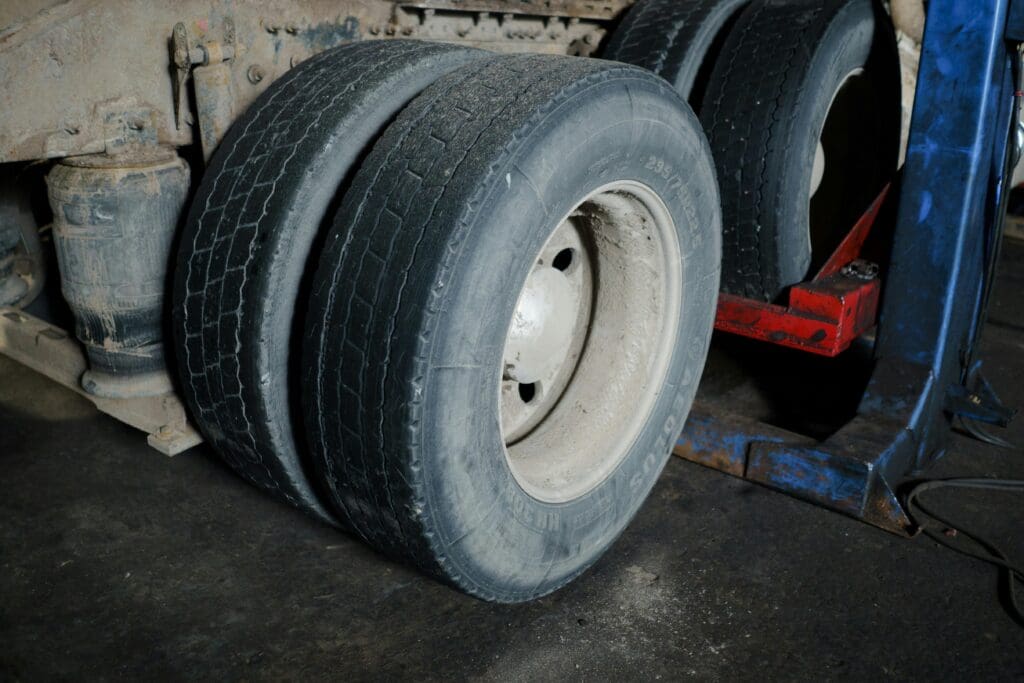
Winter conditions present significant challenges for freight transportation, making road safety a paramount concern. For fleet managers, truck drivers, and logistics coordinators, ensuring that freight trucks are equipped to handle icy roads and snow-covered highways is crucial for maintaining schedules and preventing accidents. This guide explores the critical role of snow chains in enhancing the safety and efficiency of freight trucks during winter, covering everything from the types available to maintenance best practices.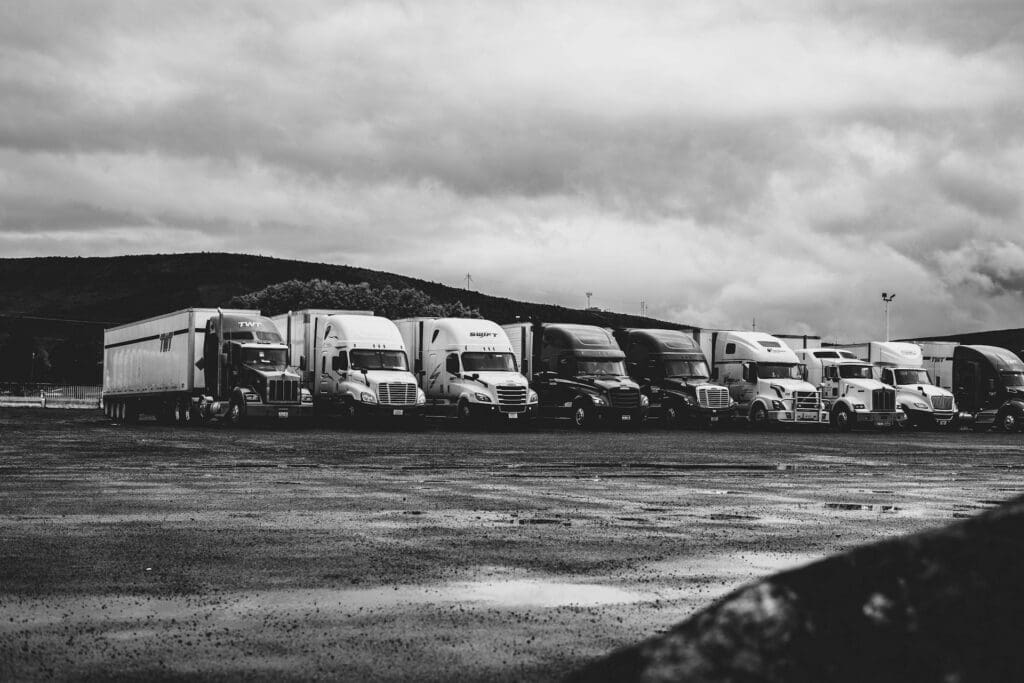
Snow chains, sometimes referred to as tire chains, are essential accessories for freight trucks operating in winter conditions. By providing the necessary traction to navigate through snow and ice, snow chains help prevent slippage and accidents, ensuring that goods reach their destinations safely and on time. With various types available, including cable chains, link chains, and automatic chains, selecting the right snow chains for your fleet is a key step in winter preparedness.
Selecting the right type of snow chain is crucial for maximizing safety and efficiency. Cable chains are lightweight and easy to install, making them a popular choice for trucks that face mild winter conditions. Link chains, on the other hand, offer more durability and grip, suited for heavy-duty trucks navigating through severe snow and ice. Automatic chains, which deploy with the push of a button, provide convenience and rapid response for trucks that frequently encounter changing road conditions.
Understanding the specific needs of your fleet and the typical weather conditions you face will guide you in choosing the most suitable snow chains. This decision not only impacts the safety of your drivers and the integrity of the cargo but also the overall operational efficiency of your fleet.
The use of snow chains goes beyond mere regulatory compliance; it's about ensuring the safety of your drivers and the reliability of your delivery schedules. Snow chains significantly improve traction on icy roads, reduce the risk of slippage, and enhance the overall safety of freight trucks. This increased grip on the road surface not only protects drivers and cargo but also contributes to more predictable delivery times, even in adverse weather conditions.
When selecting snow chains, consider the size and weight of your trucks, as well as the tire size and type. It's essential to choose chains that fit your tires perfectly to prevent damage to the vehicle and ensure maximum effectiveness. Furthermore, consider the material of the snow chains; those made from hardened steel offer durability and longevity, while lighter materials may provide adequate performance with easier handling.
Proper installation is critical for the effective use of snow chains. Always follow the manufacturer's instructions carefully to ensure that the chains are fitted securely and evenly. Regularly inspecting and maintaining your snow chains can significantly extend their life and performance. Clean and dry them after use to prevent rust, and check for any signs of wear or damage before storing.
At Star Freight Services, we understand the challenges winter weather poses to freight transportation. We encourage our readers to evaluate their current winter preparedness plans and consider the integration of snow chains into their fleet management strategies. As a knowledgeable and reliable partner in winter freight solutions, we invite you to contact us for more information on snow chains or to discuss your freight needs. Together, we can ensure that your operations remain safe and efficient, regardless of the weather.
Navigating the vast roads and highways of America is no small feat, especially when winter rolls around. Mountains, already imposing, become formidable obstacles when blanketed with snow. The challenges of winter logistics are myriad, but for companies dedicated to ensuring that goods reach their destination, no weather condition is too daunting.
Enter Star Freight Services, a name synonymous with reliable transportation services in the western US. Our journey, much like the routes our trucks traverse, has been long and filled with twists and turns.
Born in 1995 as the modest "Logistics and Distribution Services," we have, over the decades, transformed into the colossus that is Star Freight Services. From our humble beginnings, we expanded our reach and influence throughout the US until 2016. This evolution saw us selling our freight brokerage division and returning to our roots - asset-based truck transportation. Today, with nearly 100 trucks and dedicated drivers, we crisscross the nation, delivering on promises and ensuring goods reach their destinations safely.
The beauty of a snow-laden landscape can mask the underlying dangers for logistics. Snow, ice, and the unpredictable weather patterns in the mountains can delay trucks, jeopardize the safety of drivers, and put shipments at risk. These are not mere hypothetical scenarios; they are real challenges that require real solutions.

Our fleet, comprising both dry van and refrigerated trucks, is equipped to handle these very challenges. With state-of-the-art technology, our climate-controlled vehicles ensure that even the most temperature-sensitive goods remain in impeccable condition, regardless of the cold outside. But it's not just about the technology. It's about understanding the terrain, knowing when to push forward, and when to wait for the storm to pass.
Our drivers, experienced in navigating the trickiest of mountainous routes, become the unsung heroes during these cold months. Their knowledge, backed by our robust support system, ensures that we overcome winter's logistic challenges time and time again.
Simplicity and persuasiveness are hallmarks of our approach. We believe in straightforward solutions to complex problems. In winter, when many would see barriers, we see opportunities:
Expertise in Winter Logistics: Decades of experience mean we've faced and overcome numerous winter challenges. Our track record speaks for itself.
Winter logistics, with its unique set of challenges, requires a partner who understands the landscape, both literally and figuratively. Star Freight Services, with its rich history and commitment to excellence, is that partner. As potential partners in your logistics journey, we promise simplicity in solutions and the persuasive assurance that your goods are in safe hands, no matter the season.